The Super Bowl LX ended with the Seattle Seahawks defeating the New England Patriots by a score of 29–13. The game was played at Levi’s Stadium, marking the Seahawks’ second Super Bowl championship and preventing New England from earning a seventh title.
- Super Bowl LX Location and Event Overview
- Historical Context of Seahawks vs Patriots in the Super Bowl
- First Quarter: Field Position and Defensive Play
- Second Quarter: Seahawks Extend Lead Before Halftime
- Jason Myers Sets Super Bowl Field Goal Record
- Kenneth Walker III Leads Seattle Rushing Attack
- Seahawks Passing Game Remains Efficient
- Patriots Offense Faces Turnover Challenges
- Defensive Touchdown Shifts Momentum
- Cooper Kupp Contributes in Receiving Role
- Coaching Performance and Game Management
- Halftime Show and Broadcast Coverage
- Preseason Expectations and Season Path
- Final Score and Official Result
- Impact on Franchise Records
- Background of the Super Bowl and the NFL Championship Game
- Conclusion
- You May Like
The result finalized the 2025 NFL season with Seattle winning through defense, ball control, and special teams efficiency. The Patriots, who entered the game with a young roster, were unable to overcome turnovers and sustained defensive pressure.
Super Bowl LX Location and Event Overview
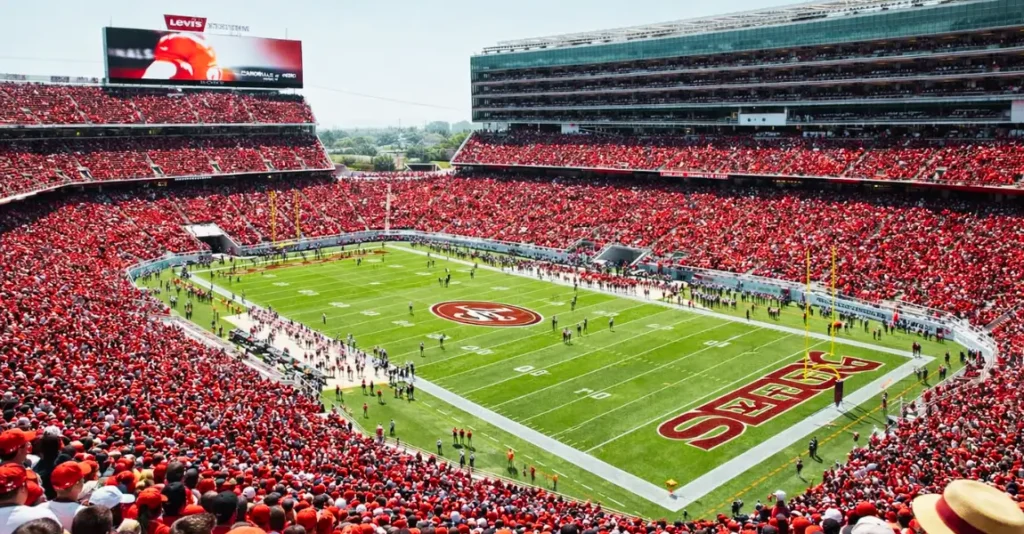
Super Bowl LX was hosted in Santa Clara, California, at Levi’s Stadium, the home of the San Francisco 49ers. The venue last hosted a Super Bowl in 2016 and is known for its modern design and capacity to host large international events.
The National Football League (NFL) selected the San Francisco Bay Area as the host region following a multi-year bidding process. League officials confirmed that logistics, infrastructure, and media facilities met Super Bowl requirements.
Historical Context of Seahawks vs Patriots in the Super Bowl
Seattle and New England previously met in Super Bowl XLIX following the 2014 season. That game ended in a 28–24 Patriots victory after a late interception. Super Bowl LX marked the first rematch between the two franchises on the Super Bowl stage since that game.
The NFL confirmed that Super Bowl LX was one of the few championship games to feature teams that both entered the season with long preseason odds to reach the Super Bowl.
First Quarter: Field Position and Defensive Play
The first quarter featured limited offensive production from both teams. Seattle opened the scoring with a field goal by Jason Myers after a sustained opening drive.
New England’s offense struggled to advance the ball consistently. Seattle’s defense forced early punts and limited passing lanes, while the Patriots’ defense prevented explosive plays.
Second Quarter: Seahawks Extend Lead Before Halftime
In the second quarter, Myers converted two additional field goals, extending Seattle’s lead to 9–0. The Seahawks moved the ball into scoring range on multiple drives but were stopped short of the end zone.
The Patriots were held scoreless through the first half. According to NFL historical data, teams trailing by multiple scores at halftime in the Super Bowl have a limited success rate in comeback attempts.
Jason Myers Sets Super Bowl Field Goal Record
Jason Myers completed five field goals during the game, setting a Super Bowl record for most field goals made by a single player in one championship.
His kicks came from distances of 33, 39, 41, 41, and 26 yards. Myers accounted for 15 of Seattle’s 29 points, making him the leading scorer of the game.
NFL officials confirmed the record following the conclusion of the game.
Kenneth Walker III Leads Seattle Rushing Attack
Running back Kenneth Walker III recorded 135 rushing yards on the ground. His performance helped Seattle control possession time and limit New England’s offensive opportunities.
Walker consistently gained positive yardage on early downs, allowing Seattle to maintain manageable third-down situations. His workload increased during the second half as Seattle focused on clock management.
Walker was named Super Bowl LX Most Valuable Player, becoming the first running back to receive the award since the late 1990s.
Seahawks Passing Game Remains Efficient
Quarterback Sam Darnold finished the game with 202 passing yards and one touchdown. He did not throw any interceptions.
Seattle’s passing strategy emphasized short and intermediate throws. Darnold connected with multiple receivers to extend drives and avoid turnovers. His lone touchdown pass went to tight end AJ Barner in the third quarter.
Patriots Offense Faces Turnover Challenges
New England quarterback Drake Maye faced consistent pressure throughout the game. Seattle recorded six sacks and forced multiple turnovers.
Maye threw two interceptions and lost two fumbles. One fumble resulted in a Seattle defensive touchdown, while another set up a short-field scoring opportunity for the Seahawks.
The Patriots’ offense scored only once in the final quarter after the game outcome was largely decided.
Defensive Touchdown Shifts Momentum
Early in the fourth quarter, Seattle linebacker Uchenna Nwosu recovered a forced fumble and returned it 45 yards for a touchdown. The play extended Seattle’s lead and significantly reduced New England’s chances of a comeback.
NFL game officials confirmed the play after review, noting the fumble occurred before the quarterback’s arm moved forward.
Cooper Kupp Contributes in Receiving Role
Wide receiver Cooper Kupp led Seattle receivers with 61 yards on six receptions. His catches came primarily on third-down situations.
Kupp joined Seattle during the offseason after being released by his previous team. His performance added stability to Seattle’s passing offense during key moments.
Coaching Performance and Game Management
Seattle head coach Mike Macdonald earned his first Super Bowl victory in his second season with the team. His defensive strategy focused on pressure packages and coverage adjustments.
New England head coach Mike Vrabel faced challenges adjusting to Seattle’s defensive formations. The Patriots were unable to establish a consistent running game or protect the quarterback.
Halftime Show and Broadcast Coverage
The Super Bowl LX halftime show featured Bad Bunny as the primary performer. The performance marked the first Super Bowl halftime show led mainly in Spanish.
The broadcast was aired nationally and internationally, with the NFL confirming viewership across multiple platforms.
Preseason Expectations and Season Path
Both teams entered the season with long odds to reach the Super Bowl. Seattle finished the regular season with a 14–3 record and secured the top seed in the NFC.
The Seahawks defeated the San Francisco 49ers in the divisional round and won the NFC Championship against the Los Angeles Rams. New England advanced through the AFC playoffs after finishing with a winning regular-season record.
Final Score and Official Result
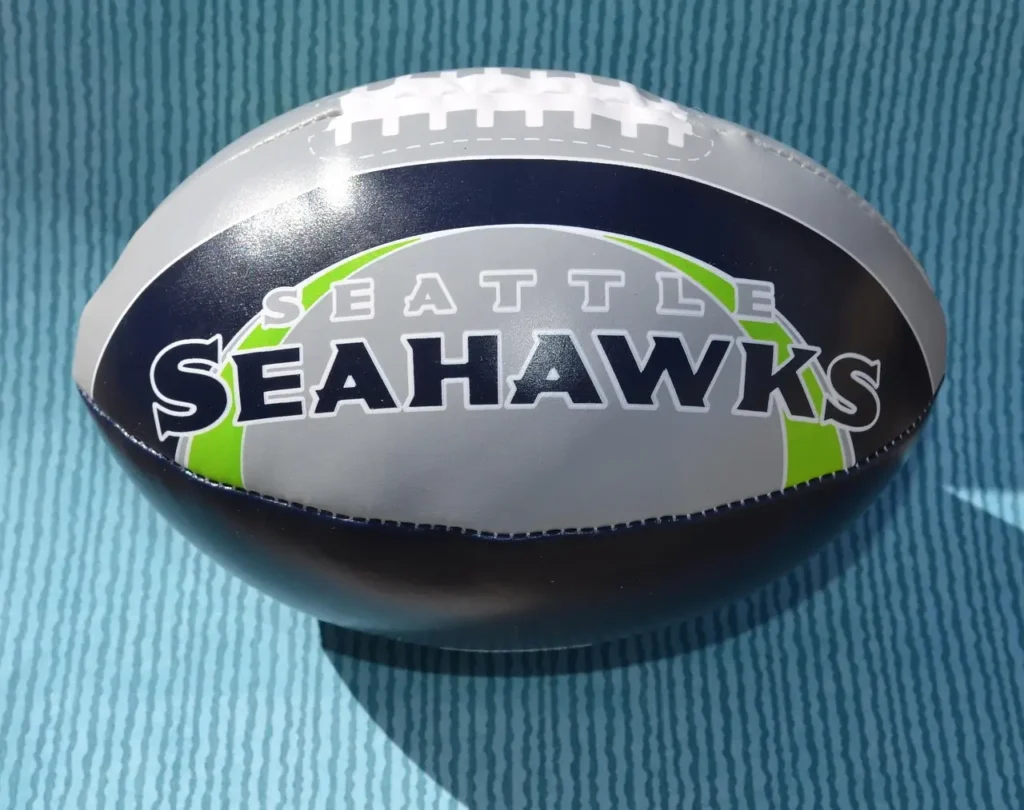
The game concluded with the Seattle Seahawks defeating the New England Patriots 29–13. League officials confirmed the final score and awarded the Lombardi Trophy to Seattle following the postgame ceremony.
The victory gives Seattle two Super Bowl championships in franchise history.
Impact on Franchise Records
The win improves Seattle’s all-time Super Bowl record and establishes the team as a multi-title franchise. For New England, the loss leaves the team with six Super Bowl championships, tied for the most in NFL history.
NFL records show that SuperBowl was one of the lowest-scoring championship games of the modern era.
Background of the Super Bowl and the NFL Championship Game
This is the annual championship game of the National Football League. The event concludes the NFL season and determines the league champion. Since the first Super Bowl in 1967, the game has become one of the most-watched sporting events worldwide.
Super Bowl LX represented the 60th edition of the championship. The Patriots entered the game seeking a record seventh Super Bowl victory, while the Seahawks were aiming for their second championship, having previously won SuperBowl XLVIII during the 2013 season.
Conclusion
SuperBowl LX concluded with a clear defensive performance by the Seattle Seahawks. The team’s success was built on field goals, rushing efficiency, and forced turnovers. The New England Patriots were limited by offensive mistakes and pressure throughout the game.
The NFL officially closed the 2025 season with Seattle recognized as league champions.