

The 2026 Grammy Awards marked a significant moment in contemporary music history. Held on February 1, 2026, at the Crypto.com Arena in Los Angeles, the 68th Annual Grammy Awards brought together artists from many countries, languages, and musical styles.
- Overview of the 68th Grammy Awards
- Album of the Year
- Record of the Year
- Song of the Year
- Best New Artist: Olivia Dean’s Breakthrough
- Kendrick Lamar’s Career Milestone
- Genre Representation at the 2026 Grammys
- Performances During the Ceremony
- Public Statements and Social Issues
- New Categories and Symbolic Shifts
- Grammys Winners 2026: Category List
- A Brief History of the Grammy Awards
- Conclusion
This article provides a clear, factual, and neutral summary of the night, including major winners, historic milestones, and a complete category-based winners list.
Overview of the 68th Grammy Awards
The ceremony was hosted by Trevor Noah, marking his final appearance as Grammy host.
More than 95 awards were presented across genres, technical fields, and special honors.
The Recording Academy continued its recent trend of expanding recognition beyond English-language and U.S.-centered music, reflecting the international reach of modern audiences.
Album of the Year
Bad Bunny – Debí Tirar Más Fotos
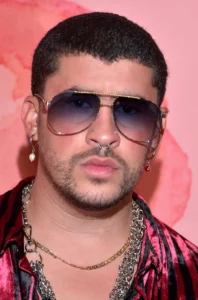
Bad Bunny won Album of the Year, becoming the first artist to receive the award for a fully Spanish-language album.
When Bad Bunny was announced as the winner for Debí Tirar Más Fotos, the arena erupted. It was more than a personal triumph. It was history. For the first time in Grammy history, a fully Spanish-language album claimed the ceremony’s most prestigious prize. No crossover gimmicks. No English refrains. Just Spanish — unapologetic and central.
Bad Bunny’s album was intimate and reflective, built around memory, loss, and cultural belonging. In his acceptance speech, he spoke about immigrants, language, and dignity. The message landed hard, especially against the backdrop of ongoing debates around immigration enforcement in the United States.
Record of the Year
Kendrick Lamar & SZA – “Luther”
Hip-hop has long battled for full recognition at the Grammys. In 2026, it stood firmly at the center.
Kendrick Lamar and SZA won Record of the Year for “Luther,” a song that blended social commentary with restraint and emotional clarity.
This marked Kendrick Lamar’s second consecutive win in this category, reinforcing his long-standing critical reputation.
Song of the Year
Billie Eilish & Finneas – “WILDFLOWER”
In a year crowded with loud anthems and viral hits, Billie Eilish won Song of the Year for “WILDFLOWER,” co-written with her brother Finneas.
The song was understated, almost fragile. Its strength lay in what it refused to do — no forced climax, no overproduction. Just honesty.
Eilish’s acceptance speech echoed the tone of her music. She spoke about empathy, creative freedom, and immigration rights, adding her voice to a growing chorus of artists using the Grammy stage as a platform rather than a pedestal.
Best New Artist: Olivia Dean’s Breakthrough
A Soulful Arrival
Winning Best New Artist often comes with expectations as heavy as the trophy itself. For Olivia Dean, the moment felt earned rather than imposed.
Her rise was steady, grounded in live performances and songwriting that leaned on classic soul without nostalgia. The Grammys winners narrative here was not about overnight virality, but about craft and patience.
Dean’s win also underscored a broader trend: the Academy’s growing willingness to reward artists who build careers slowly, outside algorithm-driven fame.
Kendrick Lamar’s Career Milestone
With multiple wins during the ceremony, Kendrick Lamar officially became the most-awarded rapper in Grammy history, surpassing Jay-Z.
His 2026 wins included:
- Best Rap Album
- Best Rap Performance
- Best Melodic Rap Performance
- Best Rap Song
Genre Representation at the 2026 Grammys
Awards were distributed across a wide range of musical styles, reflecting genre diversity rather than dominance by one category.
Notable genre wins included:
- Lady Gaga took Best Pop Vocal Album and Best Dance Pop Recording, reaffirming her place as a pop chameleon.
- Hardcore band Turnstile won Best Rock Album and Best Rock Song, a victory for underground scenes.
- South African star Tyla claimed Best African Music Performance, reflecting the global rise of African pop.
- Latin pop was recognized through Raúl Alejandro.
- Alternative music legends The Cure returned to the Grammy stage with wins that honored longevity without nostalgia.
- Industrial pioneers Nine Inch Nails took Best Rock Song for “As Alive as You Need Me to Be.”
Together, these wins painted a picture of an Academy finally willing to look outward.
Performances During the Ceremony
The live performances focused on current artists and collaborations rather than retrospective segments.
Performers included:
- Bruno Mars
- Sabrina Carpenter
- Justin Bieber
- Tyler, The Creator
- ROSÉ
A tribute performance honored Ozzy Osbourne, led by Post Malone.
Public Statements and Social Issues
Several artists, including Bad Bunny and Billie Eilish, addressed immigration policy directly. Others wore pins or made pointed remarks criticizing U.S. Immigration and Customs Enforcement (ICE). The messages were not shouted; they were stated calmly, almost matter-of-factly.
The Grammys winners did not separate art from reality. Instead, they insisted the two had always been connected.
New Categories and Symbolic Shifts
A subtle but important change at the 2026 Grammy Awards was the launch of Best Album Cover, recognizing visual design as a key part of musical expression. The first award went to Tyler, The Creator for Chromakopia, affirming that album imagery plays a vital role in shaping an artist’s message.
Alongside competitive wins, the ceremony’s special honors highlighted long-term impact and social responsibility. By celebrating artistic legacy and cultural influence, the Grammys reinforced a broader message of the night: music is not only about sound, but also about meaning and conscience
Key Special Honors and Achievements
- MusiCares Person of the Year – Mariah Carey
Honored for her enduring artistic legacy alongside decades of philanthropic and humanitarian work within the music community. - Dr. Dre Global Impact Award – Pharrell Williams
Recognized for shaping global culture beyond music, spanning fashion, education, and social advocacy. - Lifetime Achievement Awards – Carlos Santana, Chaka Khan, Cher, Whitney Houston
Celebrated careers that defined generations and permanently reshaped popular and contemporary music. - Black Music Icon Awards – Brandy and Kirk Franklin
Acknowledged lasting cultural influence and leadership within Black music traditions. - Harry Belafonte Best Song for Social Change – Raye (“Ice Cream Man”)
Awarded for confronting abuse and accountability with clarity and social purpose, reflecting music’s role in activism.
Together, these recognitions underscored how the Grammys are increasingly framing excellence—not only in sound and performance, but in impact, responsibility, and cultural legacy.
Grammys Winners 2026: Category List
| Category | Winner |
|---|---|
| Album of the Year | Bad Bunny – Debí Tirar Más Fotos |
| Record of the Year | Kendrick Lamar & SZA – “Luther” |
| Song of the Year | Billie Eilish & Finneas – “WILDFLOWER” |
| Best New Artist | Olivia Dean |
| Best Pop Vocal Album | Lady Gaga |
| Best Dance Pop Recording | Lady Gaga |
| Best Rock Album | Turnstile |
| Best Rock Song | Nine Inch Nails |
| Best Alternative Music Album | The Cure |
| Best Alternative Performance | The Cure |
| Best African Music Performance | Tyla |
| Best Latin Pop Album | Rauw Alejandro |
| Best Rap Album | Kendrick Lamar |
| Best Rap Song | Kendrick Lamar |
| Best Melodic Rap Performance | Kendrick Lamar |
| Best Album Cover | Tyler, The Creator – Chromakopia |
A Brief History of the Grammy Awards
Why the Grammys Were Created
The Grammy Awards were established in response to a concern in the 1950s:
popular music was growing fast, but artistic and technical excellence was being overlooked.
The goal was to:
- Honor musical quality, not chart success
- Recognize songwriters, producers, and engineers
- Preserve high standards across genres
When and Who Founded the Grammys
- First Ceremony: May 4, 1959
- Founded by: The Recording Academy (formerly NARAS)
- Initial Categories: 28
- Honored Music From: 1958
Why the Name “Grammy”
The award is named after the gramophone, the early device used to play recorded music — symbolizing the art of recorded sound itself.
How the Grammys Evolved
- Expanded from 28 to 90+ categories
- Included hip-hop, Latin, African, electronic, and global music
- Shifted from U.S.-centric to international recognition
Conclusion
The Grammys winners of 2026 reflected a music industry that is increasingly international, multilingual, and stylistically broad.
The ceremony highlighted artistic achievement across cultures without focusing on genre hierarchy or commercial dominance.
While awards outcomes will always generate discussion, the 68th Grammy Awards clearly showed how global music standards continue to evolve.