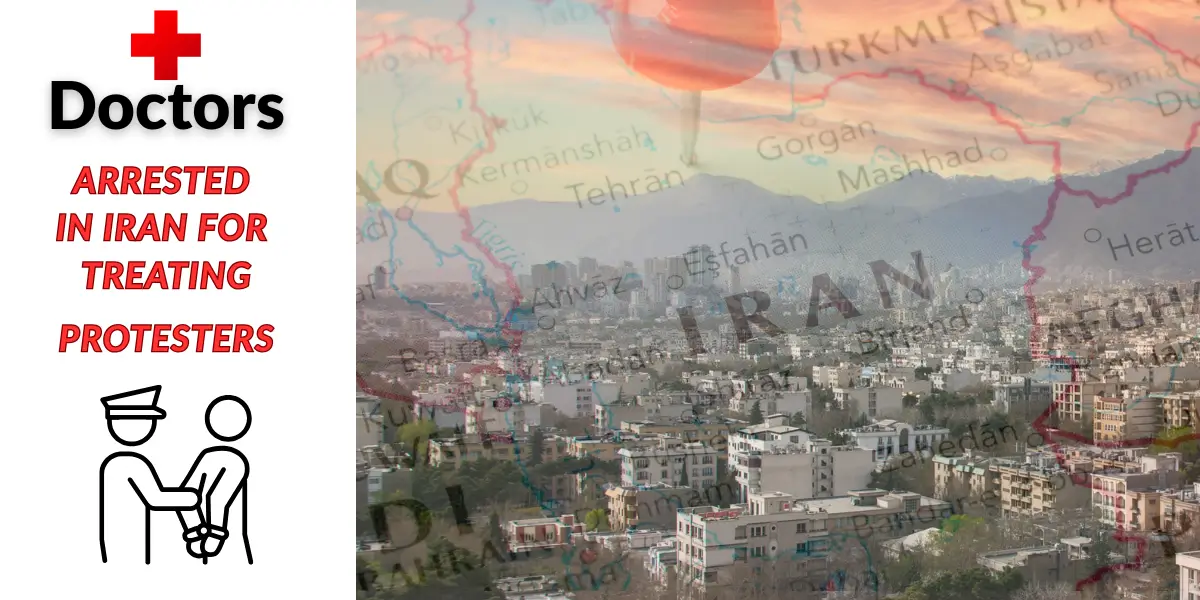
Doctors Arrested in Iran for Treating Protesters
Iranian authorities have arrested doctors and medical workers accused of treating people injured during recent anti-government protests, according to reports from multiple international news organizations and human rights groups. The arrests are part of a broader security campaign following nationwide unrest that has swept across many regions of the country.
Medical professionals, traditionally protected under international law, are now facing detention, interrogation, and in some cases serious criminal charges. Human rights advocates say this approach is discouraging injured protesters from seeking medical care and undermining basic healthcare principles.
Hospitals Become Places of Fear
Several reports indicate that injured protesters are avoiding hospitals altogether. Witnesses and medical sources say some wounded individuals have asked not to be taken to medical centers, fearing arrest by security forces stationed inside or nearby.
According to verified reporting, some protesters were detained directly from hospital beds. Others were arrested after seeking treatment at clinics or private practices. In response, volunteer medics and doctors reportedly began treating injured people in private homes or makeshift medical shelters.
However, these informal efforts have also come under pressure. Security forces have reportedly raided homes suspected of sheltering injured protesters or providing medical assistance without official approval.
Doctors and Medical Workers Targeted
Human rights organizations say the arrests are not isolated incidents. Multiple doctors and healthcare workers across different provinces have been detained after treating protest-related injuries. Some are accused of acting against national security or supporting opposition movements.
In several reported cases, detained doctors were charged with serious offenses under Iranian law, including accusations such as “moharebeh,” a charge that can carry severe penalties. Legal experts say such charges are typically reserved for violent crimes and are rarely applied to medical activity.
Medical professionals interviewed by international media described working under intense pressure, with security forces monitoring patient records and questioning hospital staff about the identities of injured individuals.
Violation of Medical Neutrality
International legal experts say these actions violate the principle of medical neutrality. This principle states that doctors must be allowed to treat the wounded without fear of punishment, regardless of a patient’s political views or role in a conflict.
A United Nations human rights expert publicly stated that detaining injured protesters from hospitals breaches international law and discourages access to essential healthcare. The expert warned that fear of arrest could lead to untreated injuries and preventable deaths.
Several global human rights organizations echoed these concerns, calling on Iranian authorities to immediately stop arrests of healthcare workers and allow hospitals to function without interference.
Nationwide Crackdown After Protests
The arrests come amid one of Iran’s most extensive security crackdowns in recent years. Protests erupted in response to long-standing economic challenges, political restrictions, and public dissatisfaction. Demonstrations have been reported in major cities as well as smaller towns across multiple provinces.
Security forces responded with mass arrests, increased patrols, and restrictions on public gatherings. Sources familiar with the situation say tens of thousands of people may have been detained since the unrest began.
Iranian officials have said the measures are necessary to restore order. However, critics argue that the response has gone beyond crowd control and is now affecting civilians, journalists, lawyers, and medical workers.
Challenges in Verifying the Full Impact
Determining the full scale of injuries and deaths has been difficult. Internet disruptions and restrictions on reporting have limited the flow of information. Official figures released by authorities differ significantly from estimates provided by independent rights groups and medical sources.
Doctors interviewed anonymously by foreign media said hospitals treated far more injured people than official numbers suggest. Some medical workers believe the true number of casualties is higher than publicly acknowledged.
Despite communication blackouts, consistent reports from journalists, human rights organizations, and UN officials point to widespread use of force and a systematic effort to control information related to protest injuries.
International Reaction Grows
Governments and international organizations have expressed growing concern over the treatment of medical workers. Statements from European officials and rights bodies emphasize that healthcare professionals must not be punished for fulfilling their ethical duties.
The situation has also drawn attention from global medical associations, which say targeting doctors sets a dangerous precedent and weakens trust in healthcare systems during crises.
While diplomatic pressure has increased, there has been no indication so far that the arrests of doctors will stop in the near future.
Impact on Ordinary Citizens
For ordinary Iranians, the fear surrounding hospitals has changed daily life. Families now face difficult decisions when loved ones are injured. Some rely on untrained volunteers or delay treatment, increasing health risks.
Medical professionals inside Iran say morale is low, with many doctors unsure how to continue their work without legal protection. Some have reportedly reduced services or avoided treating protest-related injuries altogether to avoid arrest.
Summary
Confirmed reports show that doctors arrested in Iran for treating protesters are part of a wider crackdown following nationwide unrest. Medical workers, volunteers, and injured civilians have all been affected.
Human rights groups and UN experts say these actions violate international law and the principle of medical neutrality. As fear spreads through hospitals and clinics, access to medical care has become increasingly limited for those injured during protests.
International concern continues to grow, but the situation on the ground remains uncertain as arrests and restrictions persist.
Disclaimer
This article is based on information available in the public domain and multiple credible sources. It is published strictly for informational and educational purposes and does not intend to express any political, ideological, or personal opinion of The Viral Issues or its editorial team.”