
K Prime Minister China Visit Marks Reset in Trade, Investment and Diplomatic Dialogue
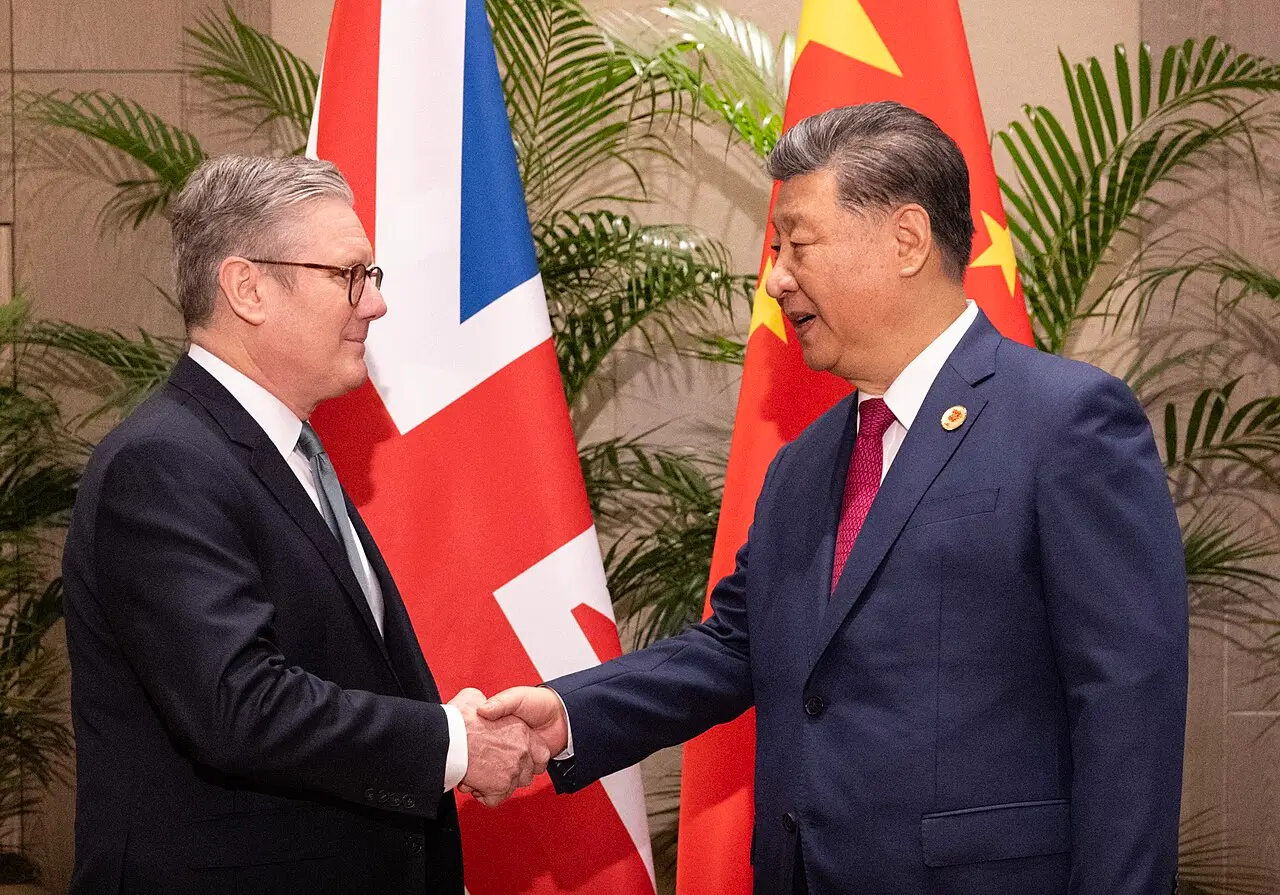
The recent UK Prime Minister China visit, led by Prime Minister Keir Starmer, marked an important moment in relations between the two countries. It was the first time a British prime minister had traveled to China in eight years. The visit took place as both governments review how they want to work together in a changing global environment.
- K Prime Minister China Visit Marks Reset in Trade, Investment and Diplomatic Dialogue
- Starmer Meets President Xi and Premier Li
- A Large Business Delegation Signals Economic Focus
- Major Corporate Announcement: AstraZeneca’s Investment
- Visa-Free Short Visits Agreed
- New Services Partnership Launched
- Raising Security and Rule-of-Law Issues
- Cooperation on Organised Crime and Migrant Smuggling
- Economic Strategy and Domestic Priorities
- Managing Relations with Allies
- Reactions and Analysis of the UK Prime Minister China Visit
- Looking Ahead
- Disclaimer
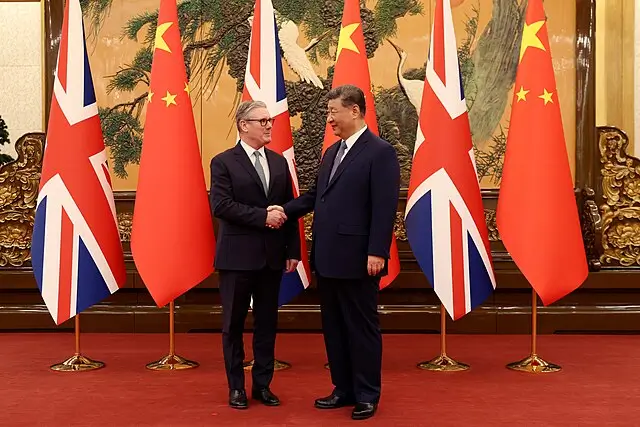
The visit included meetings with Chinese President Xi Jinping and Premier Li Qiang. UK officials described the talks as focused on rebuilding communication and cooperation in a “pragmatic partnership.” The aim was not to ignore differences, but to manage them while looking for areas where both countries can benefit.
This approach reflects a broader effort by the UK government to balance economic interests, security concerns, and relationships with long-standing allies.
Starmer Meets President Xi and Premier Li
During his time in Beijing, Prime Minister Starmer held formal talks with President Xi and Premier Li. The meetings covered a wide range of topics, including trade, investment, global security, and regional stability.
UK officials said the discussions were open and direct. Starmer raised areas where the UK has concerns, including security issues and respect for international rules. At the same time, he stressed the importance of dialogue and cooperation, especially between two major economies.
Chinese leaders welcomed the visit as a chance to stabilize relations. They emphasized mutual respect and the need to manage disagreements through conversation rather than confrontation.
A Large Business Delegation Signals Economic Focus
One of the most notable features of the visit was the size of the UK business delegation. Nearly 60 representatives from British companies and institutions traveled with the prime minister.
The delegation included firms from finance, professional services, education, healthcare, and advanced manufacturing. Their presence underlined the UK government’s message that economic engagement with China remains important, even as political differences persist.
Meetings were held between UK businesses and Chinese partners to explore new projects, joint ventures, and long-term cooperation. Officials said the goal was to support British jobs, attract investment, and help UK companies compete in a global market.
Major Corporate Announcement: AstraZeneca’s Investment
A key outcome of the visit was a major investment announcement by AstraZeneca. The pharmaceutical company confirmed plans to invest $15 billion in China over the coming years.
The investment will focus on research, development, and manufacturing, particularly in life sciences and healthcare innovation. AstraZeneca said China remains a key market and an important part of its global strategy.
UK government sources welcomed the announcement, saying it showed confidence in long-term economic cooperation. They also noted that such investments can support high-skilled jobs and innovation both in the UK and abroad.
Visa-Free Short Visits Agreed
Another practical outcome of the talks was an agreement allowing British citizens to visit China without a visa for short stays of up to 30 days. The arrangement is expected to make travel easier for tourists, business travelers, students, and researchers.
UK officials said the move would help people-to-people exchanges and reduce barriers for small and medium-sized businesses exploring opportunities in China.
While the policy does not cover long-term stays or work visas, it was seen as a positive step toward rebuilding everyday connections that were disrupted in recent years.
New Services Partnership Launched
The visit also saw the launch of a new UK–China services partnership. The initiative focuses on cooperation in areas such as finance, education, health, and legal services.
These sectors are areas where the UK has strong expertise and where Chinese demand continues to grow. The partnership aims to create clearer frameworks for cooperation, improve market access, and encourage joint projects.
Officials stressed that any cooperation would operate within UK laws and standards, particularly in sensitive sectors such as finance and data protection.
Raising Security and Rule-of-Law Issues
Alongside economic topics, Prime Minister Starmer raised security and rule-of-law concerns during his meetings. UK officials said these discussions were “frank and direct.”
The prime minister highlighted issues related to regional security, cyber activity, and the importance of international law. He also raised concerns about transparency and fairness in global trade.
Chinese leaders acknowledged the differences but emphasized their own views on sovereignty and non-interference. Both sides agreed that open communication is necessary to prevent misunderstandings.
Cooperation on Organised Crime and Migrant Smuggling
Despite broader disagreements, the visit identified areas for practical cooperation. One such area was tackling organised crime, including migrant smuggling networks.
UK and Chinese officials agreed to improve information sharing and law enforcement cooperation where interests align. The focus is on disrupting criminal groups that operate across borders and exploit vulnerable people.
Officials from both countries said this cooperation is based on shared concerns about crime rather than political alignment.
Economic Strategy and Domestic Priorities
From the UK government’s perspective, the visit was closely linked to domestic economic goals. Ministers described the trip as part of a wider strategy to attract investment, support industry, and create jobs at home.
The government argued that engaging with major economies like China is necessary to support growth, especially in sectors such as green technology, life sciences, and advanced manufacturing.
At the same time, officials said the UK would continue to protect national security and critical infrastructure.
Managing Relations with Allies
The visit has drawn attention from the UK’s allies, particularly in Europe and North America. Analysts noted that the UK is trying to strike a balance between maintaining close ties with partners and pursuing its own economic interests.
Government officials stressed that the visit does not signal a shift away from alliances. Instead, they described it as a pragmatic approach that reflects the UK’s independent foreign policy.
They added that engagement with China is coordinated with allies where possible, especially on global challenges such as climate change and financial stability.
Reactions and Analysis of the UK Prime Minister China Visit
Reactions to the UK Prime Minister China visit have been mixed. Business groups generally welcomed the focus on trade and investment, saying stable relations help long-term planning.
Some critics expressed concern about human rights and security issues, arguing that economic engagement should not outweigh political values. The government responded by saying that raising concerns directly with Chinese leaders is more effective than disengagement.
Foreign policy experts said the visit reflects a broader trend among Western countries toward cautious but continued engagement with China.
Looking Ahead
The visit is unlikely to resolve all issues between the UK and China. Differences remain on security, governance, and international norms.
However, both sides described the talks as a step toward more predictable and structured relations. Follow-up meetings and working groups are expected in the coming months to develop the agreements announced during the trip.
For now, the visit marks a reset in tone rather than a dramatic shift in policy. It signals an attempt to manage a complex relationship through dialogue, economic cooperation, and clear communication of differences.
Conclusion
The UK Prime Minister China visit by Prime Minister Keir Starmer was a careful step to rebuild engagement after several years of limited high-level contact. The trip focused on trade, services, and investment, while also making clear that the UK continues to raise security and rule-of-law concerns.
The results of the visit, including business agreements and visa changes, show that cooperation is possible in certain areas. At the same time, the UK Prime Minister China visit highlights the ongoing challenge of balancing economic interests with political values in a changing global environment.
As both countries move forward, the success of this renewed engagement will depend on whether dialogue continues and agreements translate into practical results.
Disclaimer
This article is based on information available in the public domain and multiple credible sources. It is published strictly for informational and educational purposes and does not intend to express any political, ideological, or personal opinion of The Viral Issues or its editorial team.”