In a move that blends pop culture with geopolitics, Chinese toy giant Pop Mart has confirmed a major expansion in Britain, announcing plans to open seven new stores across the United Kingdom this year.
- A Chinese Toy Brand With Global Ambitions
- Why the UK — and Why Now?
- Oxford Street: A Strategic Statement
- The Cultural Power of the Labubu Doll
- Blind Boxes and the Business of Anticipation
- Europe Next: A Broader Expansion Plan
- Politics, Trade, and Public Debate
- What This Means for British Consumers
- A Sign of Changing Global Consumer Flows
- Looking Ahead: Opportunity and Caution
- Conclusion: More Than Toys on a Shelf
At the heart of the expansion is a flagship store on London’s Oxford Street, one of the world’s most famous retail destinations. Additional stores are planned for Birmingham and Cardiff, marking Pop Mart’s most ambitious push into the British market to date.
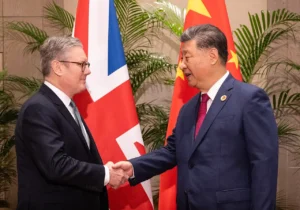
The announcement comes just weeks after renewed UK–China trade talks and a high-profile diplomatic visit to Beijing by British Prime Minister Keir Starmer, underscoring how cultural consumer brands are increasingly intersecting with global economic strategy.
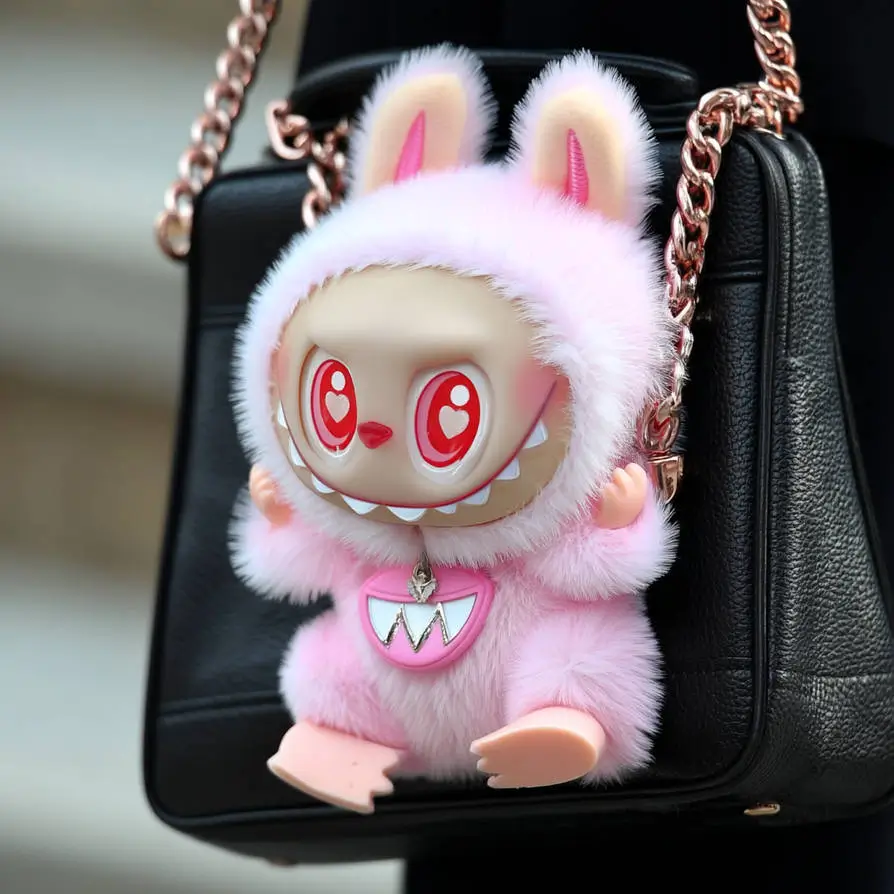
At the centre of Pop Mart’s international appeal is the viral labubu doll — a wide-eyed, mischievous-looking collectible that has become a global social media phenomenon.
A Chinese Toy Brand With Global Ambitions
Founded in Beijing in 2010, Pop Mart began as a niche retailer selling designer toys created by independent artists. Over the past decade, it has transformed into a cultural powerhouse, riding the global boom in “blind box” collectibles — toys sold in sealed packaging where buyers do not know which design they will receive.
This model, combining surprise, scarcity, and artistic branding, has proven especially powerful among younger consumers. Limited releases often sell out within minutes, and resale prices can soar online.
The labubu doll, one of Pop Mart’s most recognisable characters, exemplifies this appeal. With its playful yet slightly eerie design, Labubu has become a staple of collector culture, featured in countless unboxing videos, Instagram posts, and celebrity sightings.
Pop Mart already operates stores in major cities across Asia, North America, and Australia. The UK expansion, however, signals something deeper than just retail growth.
Why the UK — and Why Now?
According to the British government, the company’s investment will create more than 150 new jobs in the UK, spanning retail, logistics, marketing, and management roles. London will also become Pop Mart’s European headquarters, positioning the UK as the nerve centre for its regional operations.
This timing aligns closely with the UK government’s broader push to attract foreign investment and boost post-Brexit trade relationships.
During Prime Minister Starmer’s recent visit to China, the two nations secured export and market access agreements worth approximately £2.2 billion. Among them was a deal to reduce Chinese tariffs on Scotch whisky, a move expected to increase exports by around £250 million over five years.
While Pop Mart’s expansion was not officially listed as part of those agreements, the political context matters. Business confidence often follows diplomatic signals, and Pop Mart appears to be acting on a sense that the UK is once again open for international commerce.
Oxford Street: A Strategic Statement
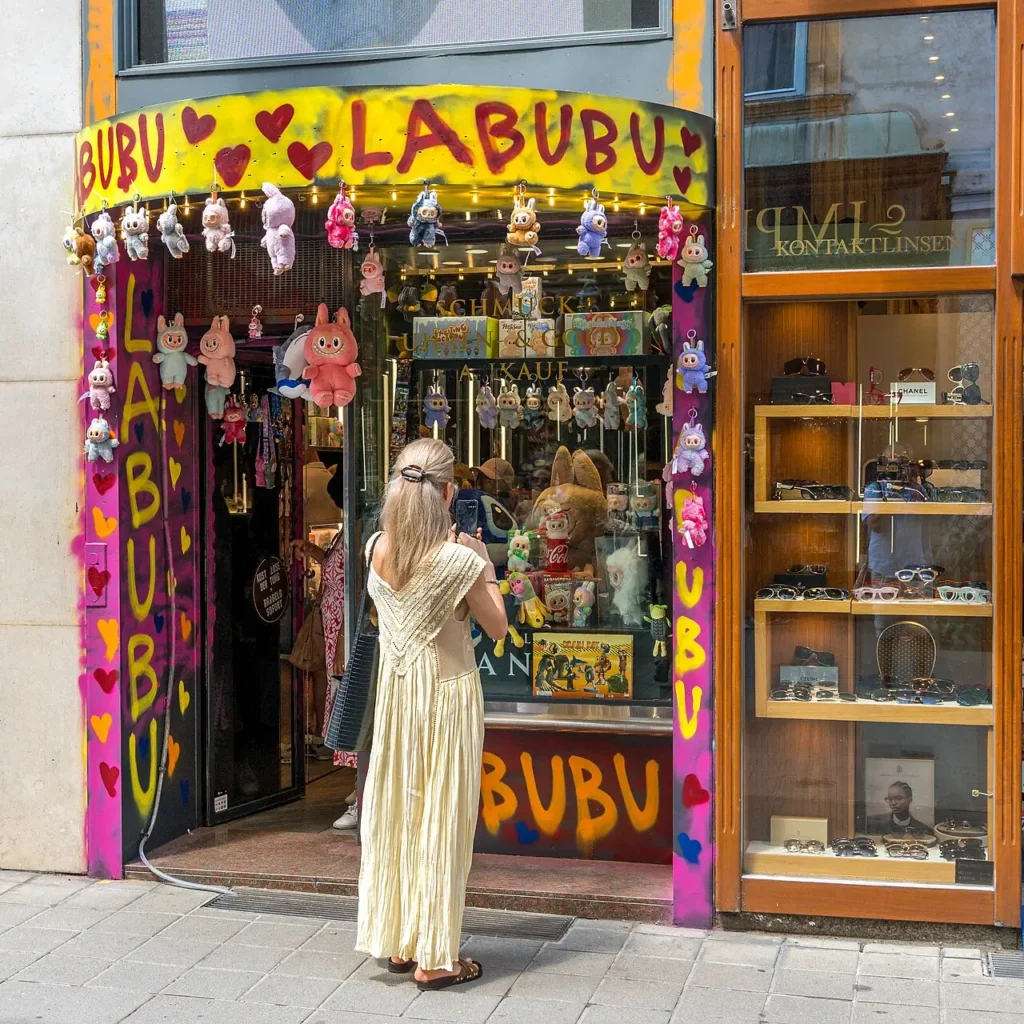
Opening a flagship store on Oxford Street.
Oxford Street has long been a barometer of retail confidence. In recent years, it has faced challenges from rising rents, online shopping, and shifting consumer habits. High-profile international brands choosing to invest there suggest renewed optimism.
For Pop Mart, the location offers instant visibility to millions of tourists and locals. For the UK, it sends a signal that London remains a global retail capital capable of attracting fast-growing foreign brands.
Industry analysts note that collectible toy stores thrive on foot traffic, impulse buying, and social media exposure — all elements that Oxford Street delivers in abundance.
The Cultural Power of the Labubu Doll
To understand Pop Mart’s success, one must understand the cultural moment that the labubu doll occupies.
Unlike traditional toys aimed at children, Labubu and similar collectibles are marketed primarily to teens and adults. They sit at the intersection of art, fashion, and fandom — closer to streetwear drops than toy shop staples.
Collectors speak of emotional connection rather than play value. Each figure tells a story, and each series builds a miniature world. This emotional branding has helped Pop Mart transcend language and cultural barriers.
In the UK, where vinyl toys and designer collectibles already have a strong niche following, Labubu enters a market primed for expansion.
Blind Boxes and the Business of Anticipation
Pop Mart’s core business model — the blind box — has occasionally drawn criticism. Some regulators and consumer groups have compared it to gambling mechanics, particularly when marketed to younger audiences.
The company maintains that its products are designed for adults and that pricing transparency and purchase limits help mitigate risk. In many markets, including the UK, Pop Mart operates under clear consumer protection guidelines.
From a business perspective, blind boxes create repeat customers and sustained engagement. From a cultural perspective, they tap into something deeply human: the thrill of surprise.
Europe Next: A Broader Expansion Plan
Pop Mart has confirmed plans to open around 20 additional stores across Europe in 2026, targeting major cities where youth culture, tourism, and digital influence converge.
Establishing London as its European headquarters allows the company to manage logistics, partnerships, and marketing across the continent more efficiently.
For European consumers, this means faster access to limited-edition releases and locally tailored product lines.
Politics, Trade, and Public Debate
Back in Britain, renewed engagement with China has sparked debate. Critics warn that closer economic ties risk overlooking concerns around human rights and national security. Others argue that disengagement is neither realistic nor beneficial in a globalised economy.
Supporters of the government’s approach point to tangible outcomes: job creation, export growth, and inward investment. From this perspective, Pop Mart’s expansion represents exactly the kind of soft-power economic benefit policymakers hope to attract.
The government has framed the relationship as pragmatic rather than ideological — doing business where it serves national interest while maintaining clear boundaries elsewhere.
What This Means for British Consumers
For shoppers, the impact is straightforward: more access, more variety, and more cultural exchange.
Until now, many UK fans of Pop Mart relied on online imports or occasional pop-up stores. Permanent retail locations mean consistent availability, official pricing, and curated in-store experiences.
For British creatives, the expansion could also open doors. Pop Mart has a history of collaborating with artists worldwide, and UK designers may soon find themselves contributing to future collections.
A Sign of Changing Global Consumer Flows
Pop Mart’s rise reflects a broader shift in global consumer culture.
For decades, Western brands dominated international markets. Today, companies from Asia — particularly China — are exporting not just products, but aesthetics, narratives, and cultural influence.
As China faces slower domestic consumption, outward expansion becomes increasingly important. Brands like Pop Mart show how consumer goods, rather than heavy industry, are becoming central to that strategy.
Looking Ahead: Opportunity and Caution
The coming year will test how well Pop Mart adapts to British tastes, regulations, and economic conditions. Retail remains a tough sector, and success is never guaranteed.
Yet the signs are promising. Strong brand recognition, a proven business model, and favourable political winds create a rare alignment of opportunity.
Whether shoppers come for the novelty, the collectibility, or the cultural curiosity, one thing is clear: Pop Mart to Expand in the UK is not just a retail headline — it is a small but telling chapter in the evolving story of global trade, culture, and connection.
Conclusion: More Than Toys on a Shelf
The arrival of Pop Mart’s stores across Britain is about more than selling figurines. It reflects how culture, commerce, and diplomacy now move together.
From the labubu doll’s playful grin to the serious tone of trade negotiations, this expansion shows how global relationships increasingly play out in everyday consumer spaces.
For the UK, it offers jobs and investment. For Pop Mart, it offers a gateway to Europe. For consumers, it offers a blind box at a time.